
|
Monserae™ Skin Intelligence · Event Coverage Guide How to Cover Scars and Body Acne for a Special EventJune 2026 · 7 min read |
Scar Cover Up · Body Acne · Wedding · Special Occasions · Body Foundation
Special occasions — weddings, formal events, beach holidays, photoshoots — create a specific body coverage need that everyday body makeup doesn't always address. Body makeup for scars needs to do more than cover for a few hours: it needs to hold through an entire day or evening, resist transfer onto formal wear, and look natural under different lighting. Getting this right requires the right formula and a specific preparation process the morning of the event.
Why Scars and Body Acne Show More on Special Occasions
Two factors make scars and body acne marks more noticeable at formal events than in everyday situations.
Lighting. Event photography uses flash, which removes the diffusion that natural light provides. Under flash, every tonal variation on the skin — post-inflammatory marks from body acne, surgical scars, stretch mark discolouration — becomes higher contrast and more visible than it appears in ambient light. Scars that are barely noticeable in a bathroom mirror can show clearly in photographs.
Clothing choice. Special occasions typically involve wearing clothes that expose more skin — strapless dresses, backless gowns, swimwear, shorts. Areas of the body that are usually covered become exposed. Back acne scars, shoulder scars, upper arm discolouration — these are all high-priority coverage areas for events that they don't need to be for everyday life.
The practical implication: the coverage standard for a wedding or formal event is higher than for daily use. You need a formula that holds longer, covers more reliably, and looks natural under intense lighting — not just a general body makeup that works adequately for a casual day.
Event coverage is the highest-stakes application in body makeup — you need it to work perfectly under conditions you can't control. The formula and technique have to be right before you leave the house, not adjusted on the day.
Why Facial Makeup and Regular Concealer Fail on Body Scars
The instinct for event coverage is often to reach for high-coverage facial products — the thickest concealer in your kit, the most full-coverage foundation you own. Applied to body scars for a long event, these formulas consistently fail for the same reasons they fail for any body coverage application, amplified by the demands of a full day of wear.
Transfer onto formal wear. Facial formulas never fully cure into a non-transferable layer. For everyday body coverage this is inconvenient; for body makeup for wedding applications or formal events, it's a serious problem. Coverage that transfers onto a white dress or a suit is not recoverable. A genuine waterproof body makeup that requires oil to remove is the only format that reliably won't transfer onto formal clothing.
Cracking under movement and heat. A full day of activity — dancing, sitting, moving — causes facial foundation applied to body skin to crack at flex points. Scars on the back, shoulders, upper arms, and knees are all high-movement areas. Cracking coverage looks worse than no coverage under event photography. The formula needs flexible film-forming polymers, not the rigid emulsion base of facial foundation.
Breakdown under body heat and perspiration. Events are warm. Dancing generates heat and sweat. Cover body acne scars with a formula that isn't genuinely sweatproof and it will streak and separate by hour three. The formula needs to hold through sustained warmth — not just surface moisture.
What Body Makeup for Scars Actually Needs to Do
For event-specific scar coverage, the formula requirements are the most demanding in body makeup. Here's what you need:
High pigment density for scar neutralisation.
Scars — particularly raised or deep keloid scars, surgical scars, and severe body acne scarring — involve both discolouration and sometimes texture. Full coverage body makeup with high pigment concentration neutralises the discolouration in two to three thin layers. Sheer formulas won't achieve this at a standard appropriate for event photography.
Film-forming flexible base.
Scars often sit on high-movement areas. The formula must flex without cracking — which requires film-forming polymers, not emulsion-based coverage. For scar cover up makeup on the back, shoulders, or limbs, this is the single most important formula property for long wear.
Genuinely transfer-resistant — not just waterproof.
Waterproof alone isn't enough for event coverage. The formula must also be transfer-resistant once fully cured — meaning it won't rub off onto a wedding dress, formal jacket, or seat fabric. The test: it should require oil to remove. A formula that comes off with soap and water will transfer under the sustained friction of wearing formal clothing for a full day.
Long-lasting without reapplication.
Long lasting body makeup that holds for the full duration of an event — typically 8–12 hours — removes the risk of mid-event coverage failure. A formula rated for 2–3 days of daily wear handles a single event day with margin to spare.
Natural finish under different lighting.
Body makeup that looks like skin under flash photography doesn't reflect differently from surrounding skin. Heavy or emulsion-based formulas create a surface that can appear lighter or shinier under flash than surrounding skin — which is visible in photographs even when the coverage looks natural in ambient light.
→ Discover the Monserae™ Body Perfector — high-pigment body foundation for scars, body acne, and full skin camouflage. Waterproof, transfer-resistant, holds through events. $34.99.
Step by Step: How to Cover Scars for an Event
The morning-of process for event coverage is more structured than everyday application. Allow 30 minutes before you need to get dressed.
The day before — exfoliate.
Exfoliate all areas you'll be covering — particularly scar tissue, which can have a different texture from surrounding skin. Exfoliated skin creates a smooth, even surface that allows the formula to sit flush rather than catching on texture. Don't exfoliate on the morning of the event — freshly exfoliated skin can be reactive.
Morning of — clean, oil-free skin only.
Shower, clean skin. No body oil, no oily moisturiser, no oily SPF. Oil prevents the film-forming agents from bonding — any oil residue over scar tissue means the coverage won't adhere uniformly. For body makeup for special occasions, this prep step is more critical than for everyday use because there's no opportunity to correct a poor result later.
Apply first layer using a press-and-pat method.
Rather than rubbing or swiping, press and pat the formula over the scar area. This method prevents lifting of any texture at scar edges and produces a more even initial coverage layer. Blend outward at the edges to prevent a visible line where coverage meets bare skin.
Allow 4 minutes to dry — assess honestly.
The first layer won't achieve full coverage on most scars. Allow it to dry fully, then assess what's still visible. For body acne marks, the first layer often handles the diffuse discolouration — a second layer may only be needed over the darkest individual marks. For surgical scars or deep scarring, a second layer will be needed across the full scar area.
Build to coverage — maximum three thin layers.
Apply second and third layers as needed, allowing drying time between each. For each layer, use slightly less product than the last — the goal is building density, not volume. Buildable body coverage in thin coats always reads more natural than one or two heavy applications. Three thin layers will cover most scars completely.
Set for 10 full minutes — no exceptions for event coverage.
For everyday wear, rushing this step causes transfer. For body makeup for wedding or event wear, it's catastrophic — coverage that transfers onto a formal garment is not recoverable. Set a timer. This window is when the transfer-resistant layer forms. Do not sit on fabric, touch the area, or put on clothing during this period.
Buff, then wait before dressing.
After 10 minutes, buff lightly with a clean cloth. Then wait a further 3–4 minutes — slightly longer than everyday use — before carefully putting on formal wear. The additional wait is worth it for the certainty that nothing will transfer onto the garment.
How Long Will Coverage Last Through a Wedding or Event?
A properly applied, film-forming waterproof body makeup formula holds scar and body acne coverage for the full duration of a typical event. The practical ceiling for a single application is 2–3 days — which means a 10–12 hour wedding or formal event falls comfortably within the formula's performance window.
The factors that shorten wear time in an event context are all avoidable:
Oily sunscreen applied over coverage breaks down the bond — either apply SPF before coverage and allow it to absorb fully, or use a separate SPF applied to uncovered areas only.
Rubbing the coverage area with a towel if you swim or sweat — pat, don't rub.
Tight, friction-heavy clothing rubbing sustained against a covered area throughout the day — the highest-risk scenario for long events is tight fabric over a scar on the back or upper arm. The full cure time plus the additional 3–4 minute wait before dressing is what makes this manageable.
"I wore this to cover some scars on my back for my sister's wedding. Applied the morning of, wore it for 14 hours including photos, dancing, and a late dinner. Not a mark on my dress. Still on the next morning." — Verified Customer
Why the Monserae™ Body Perfector Works for Scar Cover Up
The Monserae™ Body Perfector meets the event-specific requirements for body makeup for scars at every level. Its high pigment density covers surgical scars, body acne marks, and deep discolouration in two to three thin layers without adding texture. Its film-forming flexible base holds through movement, heat, and sweat for the duration of a full event day. Once set on oil-free skin with the full 10-minute cure, it becomes genuinely transfer resistant body coverage — the formula confirmed by oil-based removal only.
It handles all body makeup for special occasions needs in a single product — scar cover up makeup, body acne coverage, stretch mark coverage, and general even skin tone — without needing different products for different concerns on the same body. Available in three undertone-matched shades. Lasts up to 3 days per application.
For a complete application guide beyond event coverage, see: The Complete Guide to Body Coverage Makeup for Beginners.
Preparation Is the Difference Between Coverage That Works and Coverage That Doesn't
Event coverage with body makeup is entirely achievable — for scars, body acne, stretch marks, or any discolouration you want covered. The formula needs to be film-forming, waterproof, and transfer-resistant. The technique needs to be disciplined: exfoliated skin the day before, oil-free prep on the day, thin buildable layers, and the full 10-minute cure before dressing. Get those elements right and the coverage holds through the entire event. Skip any of them and it won't — regardless of which product you use.
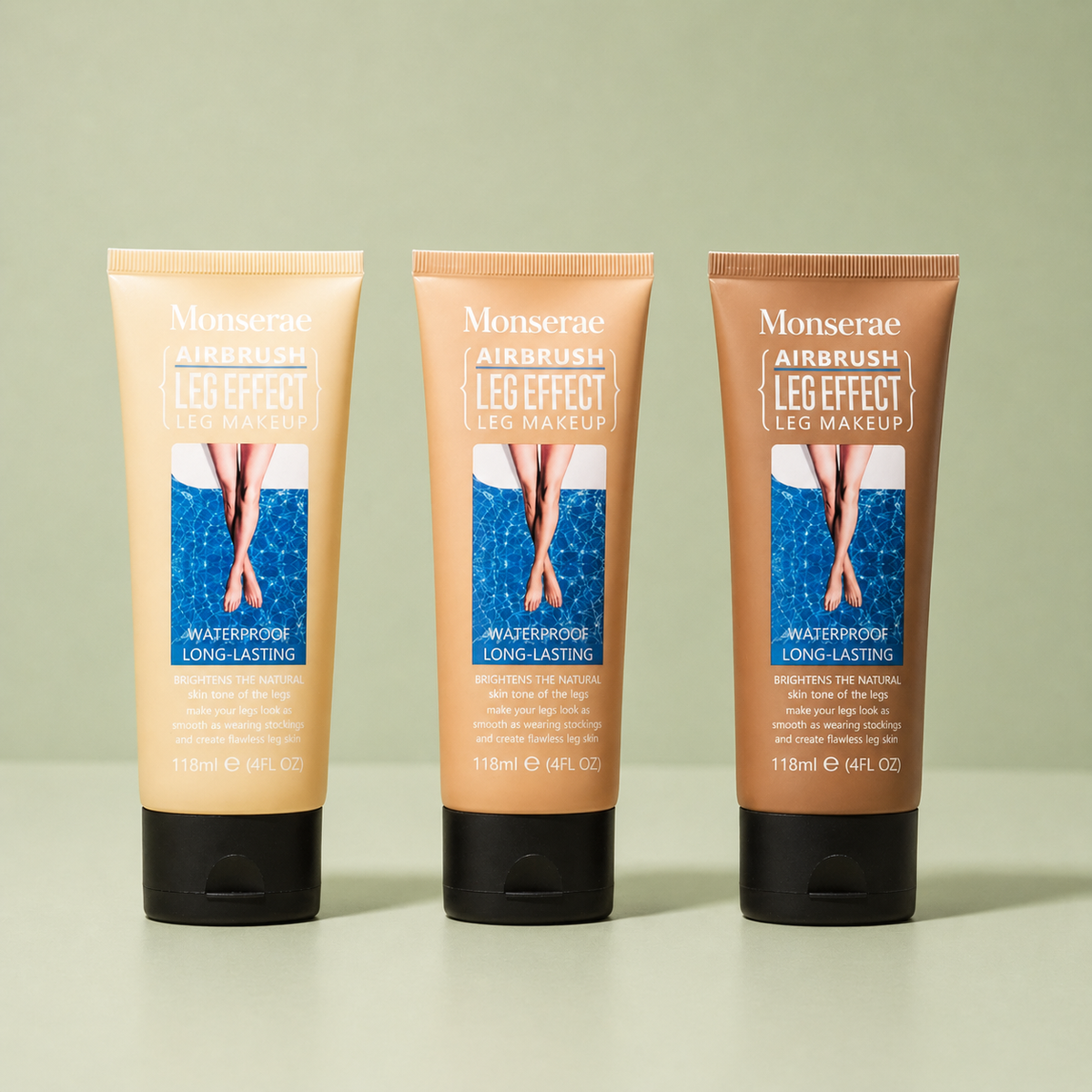
Event-ready coverage — holds through a full wedding day, transfers to nothing
→ Explore the Monserae™ Body Perfector — $34.99
Scar cover up · Body acne · Wedding & event coverage · Waterproof · Transfer-Resistant · 3 Days Wear
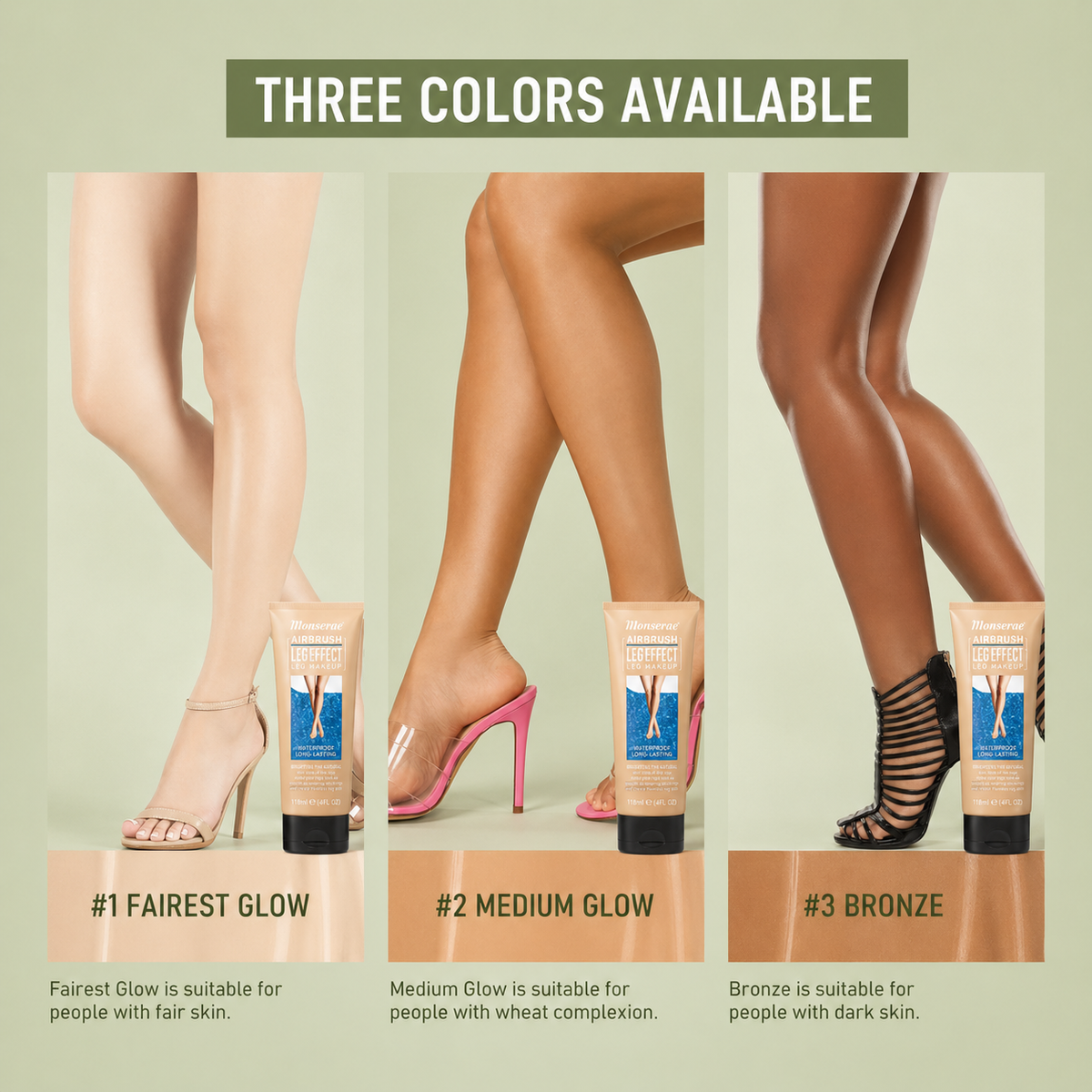
Available in: Fairest Glow · Medium Glow · Bronze · 30-Day Guarantee
Frequently Asked Questions
What body makeup covers scars for a wedding or special event?
The best body makeup for covering scars at a wedding is a high-pigment, waterproof body foundation that is transfer-resistant. Apply two to three thin layers on clean, exfoliated, oil-free skin with a full 10-minute cure time before dressing. The formula must require oil to remove — this confirms it won't transfer onto a wedding dress or formal wear.
How do you cover body acne scars with makeup?
Apply a first thin layer of body concealer across the area, allow to dry, then apply a second layer only over the scar marks themselves. For raised or textured scars, blend in the direction of the texture. Allow a full 10-minute cure time before any fabric contact.
How long does body makeup last on scars at an event?
With correct application — exfoliated oil-free skin, thin layers, full 10-minute cure — a film-forming waterproof body foundation holds for 2–3 days. For a wedding or long event, apply the morning of with no need to touch up through the day.
Will body makeup covering scars transfer to a wedding dress?
A genuinely waterproof, transfer-resistant body foundation will not transfer to a wedding dress once fully cured. Apply on oil-free skin, allow 10 full minutes to cure, buff with a clean cloth, then wait 2–3 more minutes before putting on the dress.
Can you cover stretch marks and scars for a special occasion?
Yes. A high-pigment buildable body foundation handles both. Scars typically need two thin layers; stretch marks need one to two depending on depth. Apply on clean, exfoliated, oil-free skin in thin layers with drying time between each. Allow the full 10-minute cure before dressing.
Results based on feedback from verified Monserae™ customers. Individual results may vary depending on skin type, scar type, preparation, and application method.