
|
Monserae™ Skin Intelligence · Tattoo Cover Up Guide How to Cover Tattoos With Body MakeupJune 2026 · 7 min read |
Tattoo Cover Up · Body Makeup · Waterproof · Skin Camouflage · Step-by-Step Guide
Tattoo cover up makeup is one of the most technically demanding body makeup applications — and one of the most commonly done wrong. Whether you're covering for a job interview, a wedding, a formal event, or simply a day when you'd rather not have the conversation, there's a reliable method. The challenge is that most products marketed as body makeup aren't formulated with the pigment density tattoo coverage actually requires.
Why Tattoos Are Hard to Cover With Regular Makeup
Tattoo ink is injected into the dermis — the second layer of skin, beneath the epidermis. This means the ink sits deeper than surface discolouration like bruises or sun damage. The pigment is also highly saturated, particularly in dark colours like black, deep navy, and dark red, which produce the strongest colour contrast against surrounding skin.
Two properties of tattoo ink make it uniquely difficult for standard body makeup to neutralise:
Depth. Because the ink sits in the dermis rather than the surface, the coverage layer above it needs to be dense enough to completely block the colour from transmitting through. Sheer or medium-coverage formulas simply tint the area — the tattoo remains visible beneath. You need full coverage body makeup with high pigment concentration, built up in thin layers.
Saturation. Dark tattoo ink — particularly black — has an exceptionally high colour value relative to most skin tones. A standard body concealer designed for general even-toning lacks the pigment density to fully neutralise it. The formula needs to be specifically rated for skin camouflage level coverage, not just general body makeup.
The other common failure: using facial concealer. Facial concealers are formulated for a small area on the face — they're not designed for the flexibility, surface area, or transfer-resistance demands of body skin. Applied over a tattoo on an arm or leg, they crack, patch, and transfer within the hour.
Tattoo cover up makeup isn't a different category from body makeup — it's the most demanding application within it. The same formula properties apply, but the pigment requirements and layering approach are more intensive than for general skin concerns.
What the Formula Actually Needs to Neutralise Tattoo Ink
Not every body makeup is up to tattoo coverage. Here's what the formula needs to do — and why each property matters specifically for ink:
Maximum pigment density.
Tattoo coverage requires the highest pigment concentration available in body makeup. The formula must have enough opacity to fully block dark ink in three to four thin layers — without becoming so thick that it looks obviously applied. Full coverage body makeup specifically built for skin camouflage is the minimum standard.
Film-forming, flexible base.
Tattoos often sit on areas that flex — forearms, wrists, upper arms, calves, ankles. The formula must move with the skin without cracking at flex points. Rigid or emulsion-based formulas will show cracks and separation at movement points within hours, revealing the ink underneath.
True waterproof and transfer-resistant performance.
Waterproof tattoo cover requires a formula that genuinely cures on the skin into a non-transferable layer. The test: it should require oil — not soap — to remove. If it washes off with water, it will transfer to clothing and won't hold through sweat. Long lasting body makeup for tattoo coverage needs to hold for the duration of the event or day — not just for the first hour.
Undertone-matched to surrounding skin.
Even with full opacity, a coverage layer that mismatches the undertone of surrounding skin will sit visibly on the area. The coverage reads as "something applied here" rather than skin. Undertone matching — warm, neutral, or cool — is as important as shade depth for body makeup that looks like skin over a tattoo.
Buildable without thickening.
Three or four layers of an emulsion-based formula becomes visible and textured. The formula needs to build opacity without adding physical texture — each layer should cure flat and thin, allowing the next layer to add pigment density without adding bulk.
How Many Layers Does Tattoo Cover Up Actually Need?
The number of layers depends entirely on the tattoo's ink darkness and saturation:
| Tattoo Type | Ink Density | Layers Needed |
|---|---|---|
| Faded or pastel tattoo | Low | 2 layers |
| Colour tattoo (medium saturation) | Medium | 3 layers |
| Dark colour tattoo (navy, deep red) | High | 3–4 layers |
| Black ink tattoo | Very High | 4+ layers |
The critical rule: never try to achieve full coverage in one coat. A single heavy layer of body concealer full coverage formula looks unnatural, takes far longer to dry, and often never fully cures through to the bottom — which means it transfers and eventually lifts. Thin layers that each cure completely between applications always produce better opacity, better durability, and a more natural finish.
→ Discover the Monserae™ Body Perfector — a high-pigment, film-forming body foundation rated for full skin camouflage. Covers tattoos, varicose veins, scars, and deep discolouration. Waterproof, transfer-resistant, lasts up to 3 days. $34.99.
Step by Step: How to Cover a Tattoo With Body Makeup
These steps apply to any quality tattoo cover up makeup formula. The technique matters as much as the product — and most coverage failures trace back to one of these steps being skipped.
Step 1 — Exfoliate 24 hours before.
Exfoliated skin provides a smooth, even surface for the formula to bond to. Dry or flaking skin over a tattoo will produce an uneven finish and reduce wear time. Don't exfoliate immediately before — freshly exfoliated skin can be slightly reactive.
Step 2 — Clean, oil-free skin only.
No body oil, no oily moisturiser, no oil-containing SPF unless fully absorbed. Oil on the skin prevents the film-forming agents from bonding — the most common reason cover tattoos with makeup fails. If you need to moisturise, use an oil-free formula and allow it to absorb fully before applying coverage.
Step 3 — Apply the first thin layer directly over the tattoo.
Using fingertips or a flat brush, apply a thin layer of body foundation directly over the tattoo. Press and pat — don't drag, which can pull the formula unevenly and expose the ink underneath. Blend slightly outward at the edges to prevent a visible line where coverage meets bare skin.
Step 4 — Allow to dry completely — 3 to 4 minutes.
Resist the temptation to assess the coverage immediately. The first layer needs to cure before you can accurately judge how much more is needed. Assessing too early leads to over-applying.
Step 5 — Apply second and third layers, allowing drying time between each.
Build coverage incrementally. Apply each subsequent layer using the same press-and-pat method. For black ink, a fourth layer may be needed directly over the darkest areas of the tattoo — not over the entire coverage area. Buildable body coverage targeted at the problem area is what prevents the overall finish from looking heavy.
Step 6 — Blend edges carefully on the final layer.
Once the final coverage layer is applied, use a light circular motion at the perimeter to blend into the surrounding skin. The transition zone is where tattoo coverage most often reveals itself — a blended edge makes the covered area indistinguishable from surrounding skin.
Step 7 — Set for 10 full minutes — do not touch or dress.
The most important step. The leg makeup waterproof no transfer performance — and the transfer proof body makeup layer — forms during this window. Interrupt it and the product will transfer onto the first fabric it contacts, regardless of how carefully it was applied.
Step 8 — Buff and wait before clothing.
After 10 minutes, lightly buff with a clean dry cloth to remove any surface excess. Wait 2–3 more minutes, then dress carefully. Tight-fitting garments over the covered area are the highest-risk point for transfer — allow the maximum cure time before putting them on.
How Long Does Tattoo Coverage Last?
With correct preparation and application, a film-forming waterproof body makeup formula holds tattoo coverage for 2–3 days — through sweat, light water exposure, and normal daily activity. For single-event coverage, this means you apply once and don't need to think about it again.
The factors that reduce wear time are the same as for any body coverage application: oily skin prep, rushing the set time, or applying too heavily. For maximum longevity specifically over a tattoo:
Don't apply oily products over the coverage during the wear period. Don't rub the area with a towel after showering or swimming — pat dry. Don't wear tight clothing over the covered area that creates sustained friction. These three behaviours are responsible for almost all premature coverage failure on tattoos specifically, because the ink area tends to be a more active wear zone than general skin.
Removal is with any oil-based cleanser. The formula dissolves cleanly without heavy scrubbing — which matters when removing from a tattooed area where you don't want to disturb the skin.
"I used this for a work event where I needed to cover a forearm tattoo. Applied three layers as directed, let it set, and it held all day through a full day of handshakes and a dinner. Genuinely impressed — no transfer on my shirt." — Verified Customer
Why the Monserae™ Body Perfector Works for Tattoo Cover Up
Most body foundations are designed for general even-toning — not for the pigment density, layering performance, and transfer-resistance that tattoo coverage demands. The Monserae™ Body Perfector was built as a full skin camouflage formula — the standard required for tattoo coverage, not just general body makeup.
Its high pigment density neutralises dark tattoo ink through three to four thin, buildable layers without adding visible texture. Its film-forming flexible base moves with the skin over flex points — forearms, wrists, calves — without cracking. Once set on oil-free skin with the full 10-minute cure, it becomes genuinely transfer resistant body coverage — confirmed by the removal requirement: oil-based cleanser only.
As long lasting body makeup, it holds up to three days per application. Available in three undertone-matched shades: Fairest Glow, Medium Glow, and Bronze. For coverage of varicose veins, scars, and uneven skin tone in addition to tattoos — the same formula handles all of it.
For more on how to apply body makeup correctly across different skin concerns, see: The Complete Guide to Body Coverage Makeup for Beginners.
The Short Version: What Tattoo Cover Up Makeup Actually Requires
Cover a tattoo properly and it's undetectable. Do it with the wrong formula or the wrong technique and it's obvious. The formula needs maximum pigment density, a film-forming flexible base, and genuine waterproof performance. The technique needs thin layers, drying time between each, and a full 10-minute cure before any fabric contact. Get both right and tattoo cover up makeup works as well as any professional body coverage perfector — flawlessly and for days at a time.
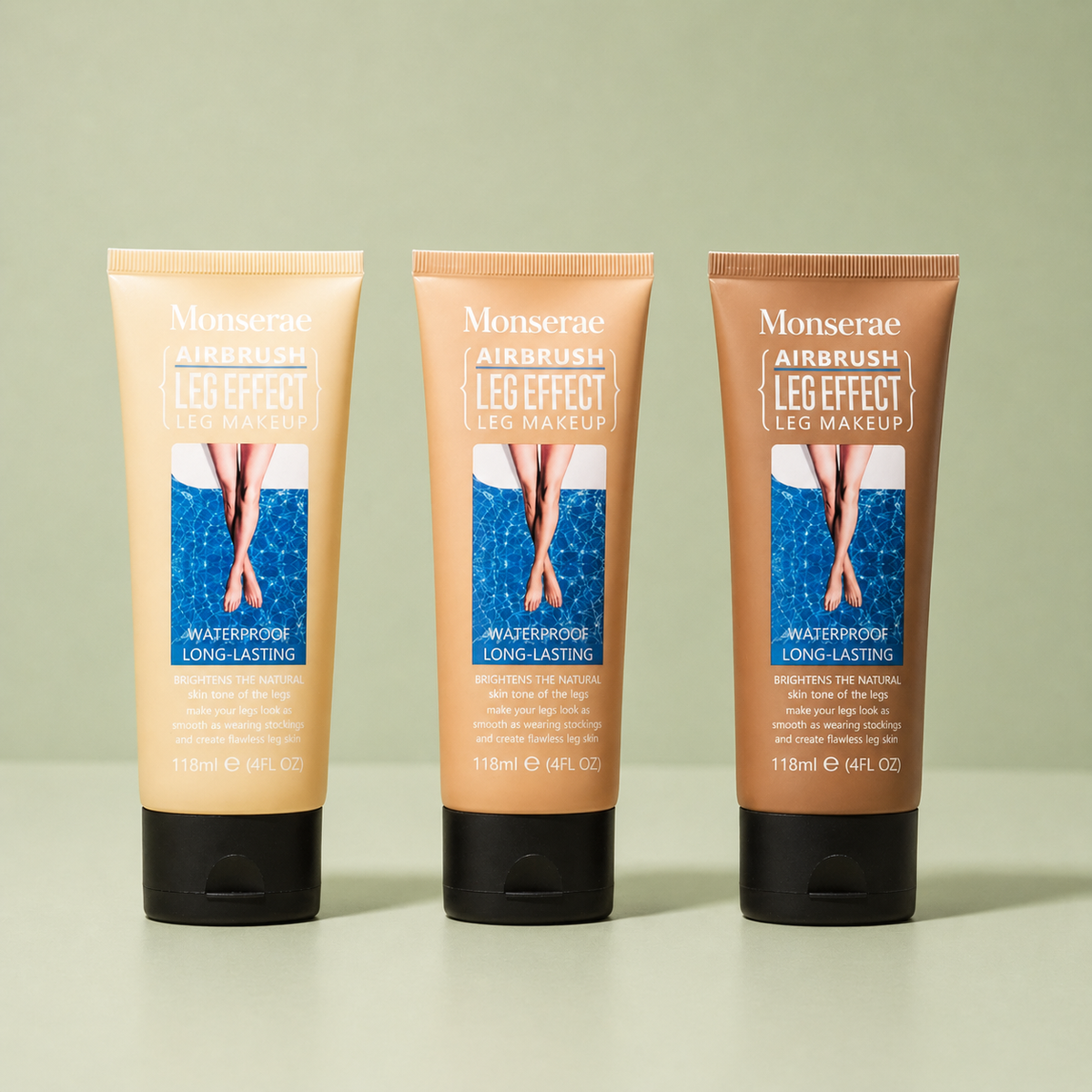
Full skin camouflage — high pigment density built for tattoo cover up and deep discolouration
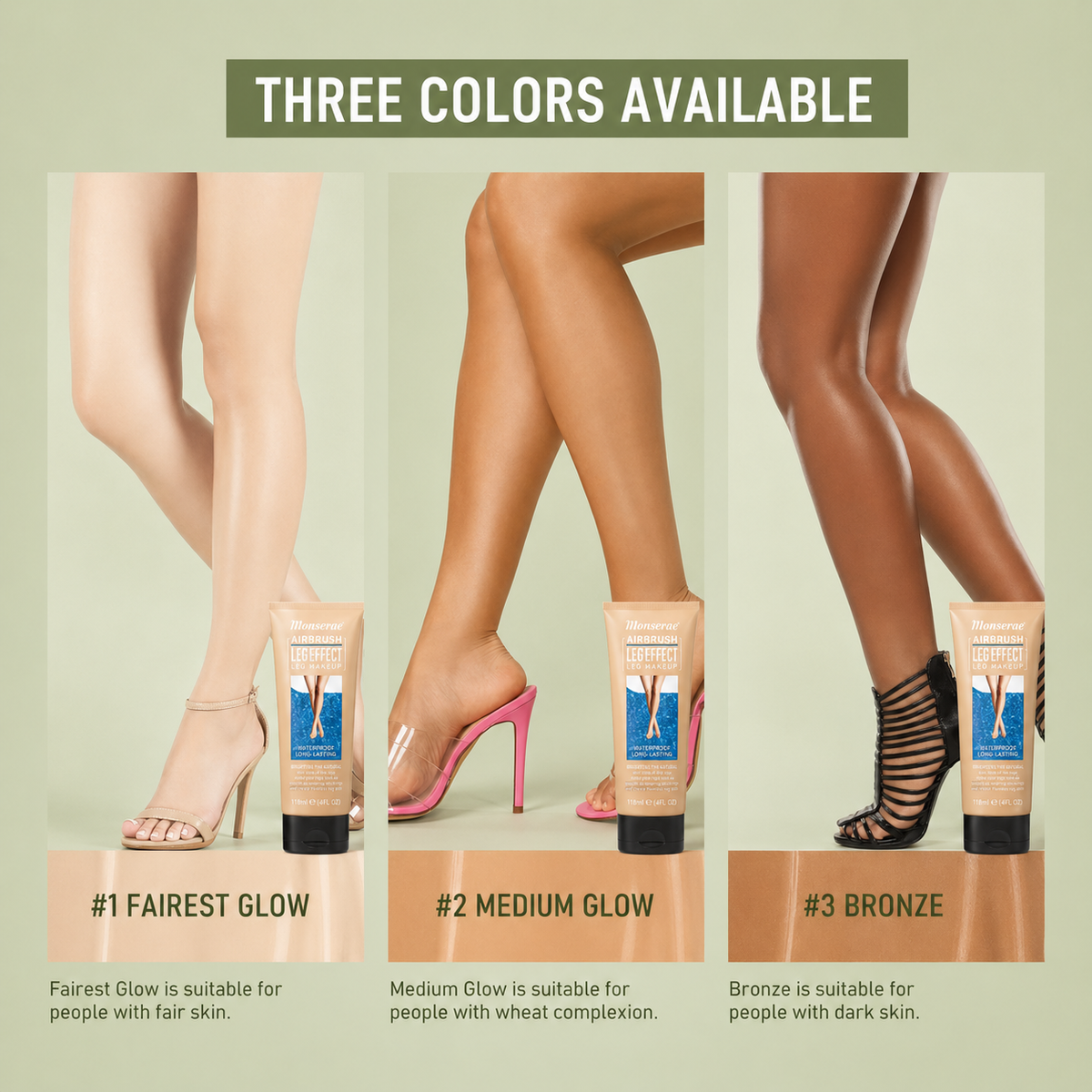
→ Explore the Monserae™ Body Perfector — $34.99
Full coverage skin camouflage · Tattoo cover up · Waterproof · Transfer-Resistant · Up to 3 Days Wear
Available in: Fairest Glow · Medium Glow · Bronze · 30-Day Guarantee
Frequently Asked Questions
What is the best makeup to cover tattoos on the body?
The best makeup for tattoo cover up is a high-pigment, buildable body foundation — not facial concealer. Tattoo ink requires three or more thin layers of full-coverage body makeup on clean, oil-free skin. The formula must be waterproof and transfer-resistant — meaning it requires oil to remove, not soap and water.
How many layers of body makeup does it take to cover a tattoo?
Most tattoos require three to four thin layers to achieve complete neutralisation. Dark, saturated ink — black, deep blue, dark red — needs the most layers. The key is allowing each layer to fully dry before adding the next — never applying one heavy coat.
Does tattoo cover up makeup transfer to clothes?
Genuinely waterproof tattoo cover up should not transfer once fully set. The critical step is a 10-minute cure time before any fabric contact. After setting, buff with a clean cloth and wait 2–3 more minutes before dressing. If body makeup transfers despite this, the formula isn't truly film-forming.
How long does body makeup tattoo coverage last?
A properly applied waterproof body foundation lasts 2–3 days per application through sweat and light water contact. Prep matters: exfoliated, oil-free skin gives the longest wear. Avoid rubbing the area or applying oily products over it during the wear period.
Can you swim with tattoo cover up makeup on?
Yes — if the formula is genuinely waterproof and was applied with the full 10-minute cure time on oil-free skin. After swimming, pat dry rather than rub to preserve the coverage layer.
Results based on feedback from verified Monserae™ customers. Individual results may vary depending on skin type, tattoo ink density, preparation, and application method.