
|
Monserae™ Skin Intelligence · Uneven Skin Tone Guide The Best Body Makeup for Uneven Skin Tone and HyperpigmentationJune 2026 · 7 min read |
Uneven Skin Tone · Hyperpigmentation · Body Foundation · Leg Makeup · Even Skin
Uneven skin tone is the most common reason women reach for body makeup for legs — and the most commonly mishandled application. The problem isn't usually the formula. It's the approach: over-applying, choosing the wrong undertone, or using a product that wasn't designed for even-toning at scale. This guide covers what actually causes uneven skin tone on the body, why most formulas make it worse rather than better, and how to get genuinely even skin tone on legs the first time.
What Causes Uneven Skin Tone on Legs and Body
Uneven skin tone on the body is rarely a single cause — it's usually a combination of factors that create different types of discolouration in different areas. Understanding which type you're dealing with changes how you approach coverage.
Sun damage and age spots.
UV exposure over time causes melanin to cluster unevenly — producing darker patches, freckles, and age spots cover up legs concerns that become more visible with age. These areas are often concentrated on the shins, tops of the thighs, and any area regularly exposed to sun. They're flat discolouration — no texture — and respond well to one to two layers of body foundation.
Post-inflammatory hyperpigmentation (PIH).
Darker marks left after inflammation — from shaving irritation, ingrown hairs, insect bites, minor injuries, or body acne. PIH is extremely common on legs and tends to be darker than surrounding skin. It can be diffuse (widespread patchiness) or localised (individual dark marks). Localised PIH typically needs two layers over the specific spot; diffuse PIH often resolves with one even layer across the whole area.
Keratosis pilaris and rough texture.
The small bumps associated with keratosis pilaris (KP) on the upper arms and thighs often come with redness and uneven tone. KP creates both texture and colour unevenness — body makeup applied over un-exfoliated KP catches on the bumps rather than blending through them. Exfoliation before application is non-negotiable for this skin type.
Vascular redness and visible capillaries.
Redness from rosacea-type conditions on the body, visible capillaries, or general vascular activity creates a mottled, uneven tone that's particularly visible on lighter skin in cold weather or after activity. This type of discolouration responds well to a single even layer of body skin tint or light-coverage body foundation.
Uneven skin tone on the body is not a single problem — it's several different problems that look similar. The coverage approach differs depending on the cause, but the formula requirements are the same: buildable, undertone-matched, and film-forming.
Why Most Body Makeup Makes Hyperpigmentation Look Worse
Most body makeup formulas are not purpose-built for even-toning at scale. They're built for general coverage, and applied to a hyperpigmented leg, they create three consistent problems:
Wrong undertone makes discolouration visible.
This is the most common failure and the least discussed. A body foundation that's right in depth but wrong in undertone creates a surface that looks like coverage sitting on top of skin rather than your own skin. Against a warm-undertoned PIH mark, a cool-toned formula makes the mark more visible by creating a tonal contrast at the edges. Undertone matching is the first requirement for body makeup that looks like skin over hyperpigmentation.
Over-application creates texture without improving coverage.
The instinct with uneven skin tone is to apply more product. But emulsion-based formulas applied heavily develop visible texture — a film-like surface that catches light differently from surrounding skin. The result looks more uneven, not less. Buildable body coverage in thin layers is what equalises tone without creating surface texture.
Sheer formulas tint without neutralising.
A body skin tint designed for light even-toning will soften mild patchiness but won't neutralise concentrated hyperpigmentation or age spots. The product adds a translucent layer over the discolouration — the dark areas show through at a slightly reduced intensity. The result is coverage that's obvious without being effective.
What the Right Formula Needs to Do for Uneven Tone
For genuinely even skin tone on legs and body, the formula needs to do three things simultaneously — and most body makeups achieve one or two at best.
1. Buildable from sheer to full coverage.
General patchiness needs one light layer. Concentrated age spots or PIH need a targeted second layer. A single-coverage formula forces you to choose between under-covering the spots and over-covering everything else. The best body makeup for uneven tone is genuinely buildable — starting sheer and adding density exactly where it's needed.
2. Undertone-matched to your natural skin tone.
The formula must match your skin's undertone — not just its depth. A body foundation that reads warmer or cooler than your surrounding skin will reveal itself at the edges of coverage. For most skin types with PIH, a neutral-to-warm undertone blends most naturally. Swatch on the inner forearm in natural light — not the wrist or the back of the hand, which often have different undertones.
3. Film-forming and transfer-resistant once set.
Waterproof body makeup that requires oil to remove stays in place through the day without smearing, transferring, or being disturbed by sweat or light water. A formula that washes off with water will smear unevenly over hyperpigmented skin throughout the day — producing an uneven result that gets worse with time rather than better.
→ Discover the Monserae™ Body Perfector — buildable from a light body skin tint to full coverage. Three undertone-matched shades. Waterproof, transfer-resistant, lasts up to 3 days. Built for even skin tone on legs, age spots, hyperpigmentation, and beyond. $34.99.
How to Apply Body Makeup for Even Skin Tone on Legs
Application technique matters as much as formula choice for uneven skin tone. The goal is colour equalisation, not maximum coverage — and the technique should reflect that.
Step 1 — Exfoliate 24 hours before.
Particularly important for KP, dry patches, and textured skin. Exfoliation creates a smooth, even surface that allows the formula to blend consistently rather than catching on rough spots. The difference in finish quality between exfoliated and un-exfoliated skin is significant for uneven tone applications.
Step 2 — Clean, oil-free skin.
No body oil, no oily moisturiser. If using SPF, allow it to fully absorb first. Oil residue prevents the film-forming agents from bonding and causes patchy adhesion — which is particularly visible over hyperpigmented skin where the formula bonds well over normal skin and poorly over the discoloured areas.
Step 3 — Apply one thin even layer across the whole area first.
For body makeup for legs with general uneven tone, start with a single even layer across the entire leg or section, blending in outward circular motions. The goal is colour equalisation — this first layer often achieves most of what you need for diffuse patchiness and mild discolouration.
Step 4 — Assess after drying — then target only what needs more.
Allow 3–4 minutes to dry. Then assess the result. For age spots, concentrated PIH, or any areas that still show through — apply a second thin layer only over those specific spots, blending edges outward. This targeted approach to buildable body coverage is what prevents the overall finish from looking heavy while achieving full neutralisation where it's needed.
Step 5 — Set for 10 full minutes.
The full cure time is non-negotiable. The transfer-resistant layer forms during this window — and over hyperpigmented skin where the formula may have slightly different adhesion across the surface, the full cure time is what locks it in consistently.
Step 6 — Buff and dress.
Buff lightly with a clean cloth to remove surface excess and confirm the set. Wait 2–3 more minutes before dressing. The result should read as consistently even skin — not as coverage applied over uneven skin.
Body Makeup vs Self Tanner for Uneven Skin Tone
Many women consider self tanner as an alternative to body makeup for even skin tone — and for most cases of hyperpigmentation and age spots, it's the wrong choice.
Self tanner works by reacting with the outermost dead skin cells. On skin with post-inflammatory hyperpigmentation or age spots, those darker areas often have a different cellular structure than surrounding skin — they absorb DHA differently, frequently developing more intensely than the surrounding skin. The result is that self tanner can darken age spots and make PIH more visible rather than blending it into surrounding tone.
Waterproof body makeup delivers immediate, controllable, consistent coverage regardless of the underlying discolouration — because it sits on top of the skin surface rather than reacting with it. For even skin tone on legs with existing discolouration, body foundation is more reliable than self tanner in every practical scenario. For a full comparison, see: Body Makeup vs Self Tanner — Which One Actually Gives You Better Legs?
Why the Monserae™ Body Perfector Is Built for This
The Monserae™ Body Perfector was designed around the even-toning use case — not just general coverage. Its buildable formula delivers a sheer, skin-like finish in a single layer for mild patchiness and general unevenness, and builds to full coverage for concentrated age spots and deeper hyperpigmentation without adding texture.
The three undertone-matched shades — Fairest Glow, Medium Glow, and Bronze — are formulated to blend at the undertone level, not just the depth level. This is what creates a body makeup that looks like skin result rather than visible coverage sitting on top of the skin surface. Waterproof, sweatproof, and genuinely transfer resistant body coverage — confirmed by oil-based removal — for up to three days per application.
It also functions as a practical body makeup self tanner alternative — giving an instant, even, luminous skin finish on legs with none of the development unpredictability that makes self tanner a poor choice for hyperpigmented skin. For the complete application guide, see: The Complete Guide to Body Coverage Makeup for Beginners.
"I have uneven skin tone on my legs from years of sun damage and some old scars. I've tried a few body makeups and this is the first one that actually blends in properly. One layer handles most of it — it just looks like skin." — Verified Customer
The Right Formula Makes the Difference
Uneven skin tone on legs doesn't require maximum coverage — it requires the right coverage. A single even layer of undertone-matched, film-forming body foundation handles most general patchiness, redness, and mild hyperpigmentation. Targeted second layers deal with age spots and concentrated PIH. The finish should look like your best skin, not like you're wearing body makeup. That's the standard worth aiming for — and it's achievable with the right formula and the right technique.
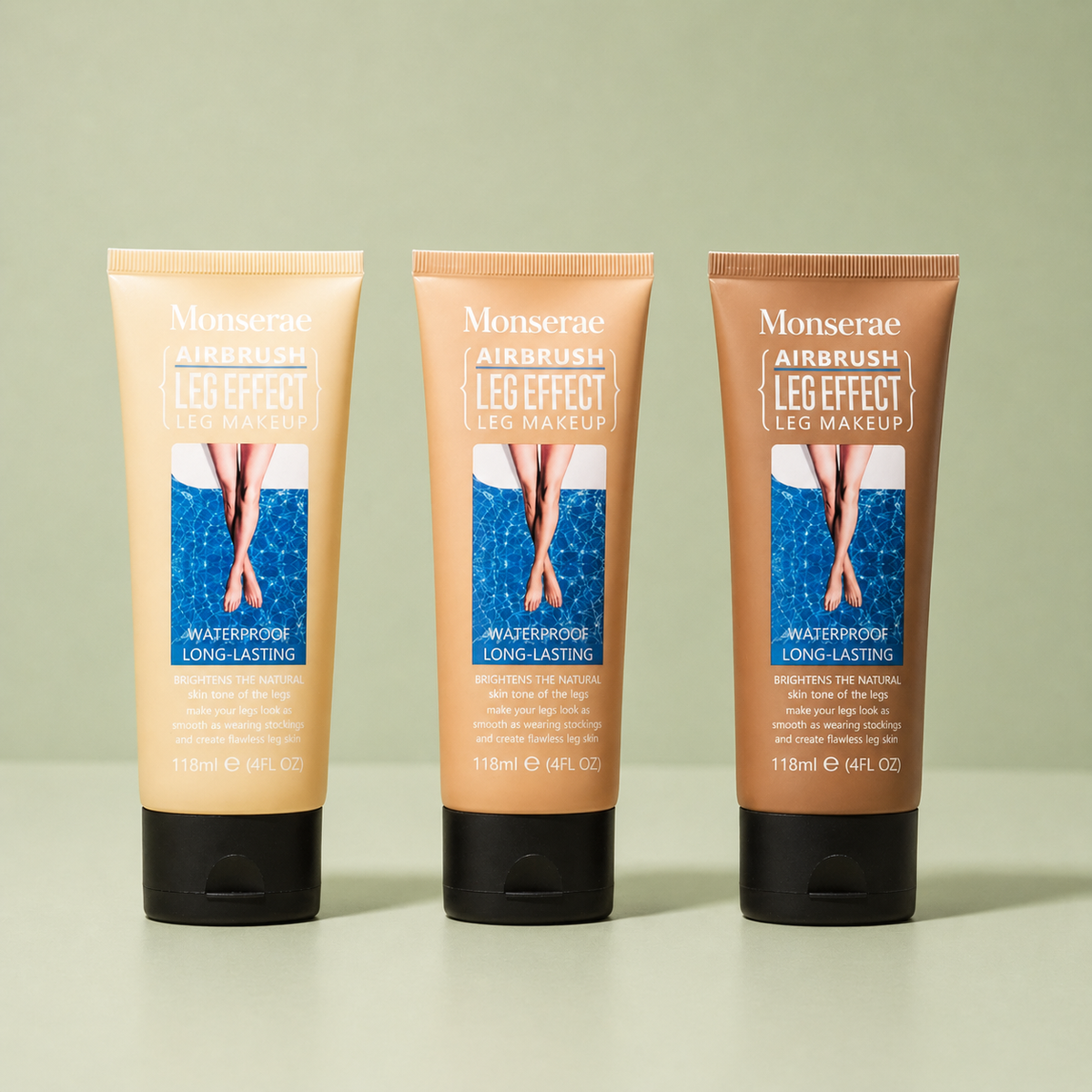
Buildable from a light body skin tint to full coverage — even skin tone on legs from the first application
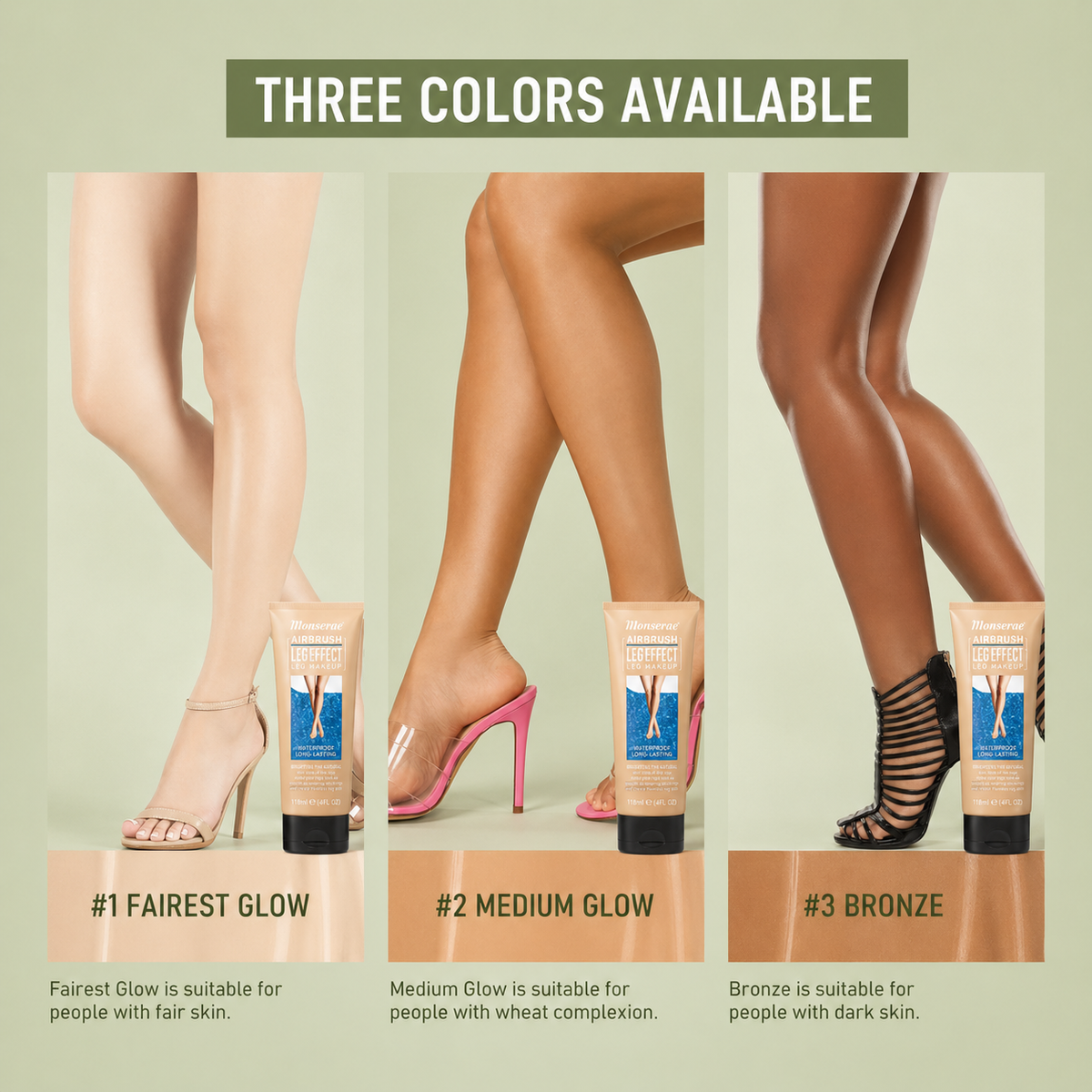
→ Explore the Monserae™ Body Perfector — $34.99
Even skin tone on legs · Age spots · Hyperpigmentation · Waterproof · Transfer-Resistant · 3 Days Wear
Available in: Fairest Glow · Medium Glow · Bronze · 30-Day Guarantee
Frequently Asked Questions
What is the best body makeup for uneven skin tone on legs?
The best body makeup for uneven skin tone is a buildable, undertone-matched body foundation that delivers even coverage in one layer without looking heavy. Look for waterproof and transfer-resistant performance. One thin layer handles most general unevenness — save additional layers for concentrated age spots or hyperpigmentation.
Can body makeup cover hyperpigmentation on the body?
Yes. Body makeup with sufficient pigment density can fully cover hyperpigmentation. Mild discolouration typically needs one to two layers. Deeper hyperpigmentation or concentrated age spots may need two to three thin layers. Apply on clean, exfoliated, oil-free skin with a full 10-minute set time.
Is body makeup or self tanner better for uneven skin tone?
Body makeup is more reliable. Self tanner develops unevenly on textured, dry, or hyperpigmented skin — it can darken age spots and make patchy areas more visible. Body foundation delivers immediate, controllable, even coverage regardless of existing discolouration.
How do you apply body makeup to get even skin tone on legs?
Start with clean, exfoliated, oil-free skin. Apply a thin layer of body foundation blending in outward circular motions. Allow to dry before assessing. For concentrated areas, apply a second thin layer only over those spots. Allow 10 minutes to fully set before dressing.
Results based on feedback from verified Monserae™ customers. Individual results may vary depending on skin type, preparation, and application method.